


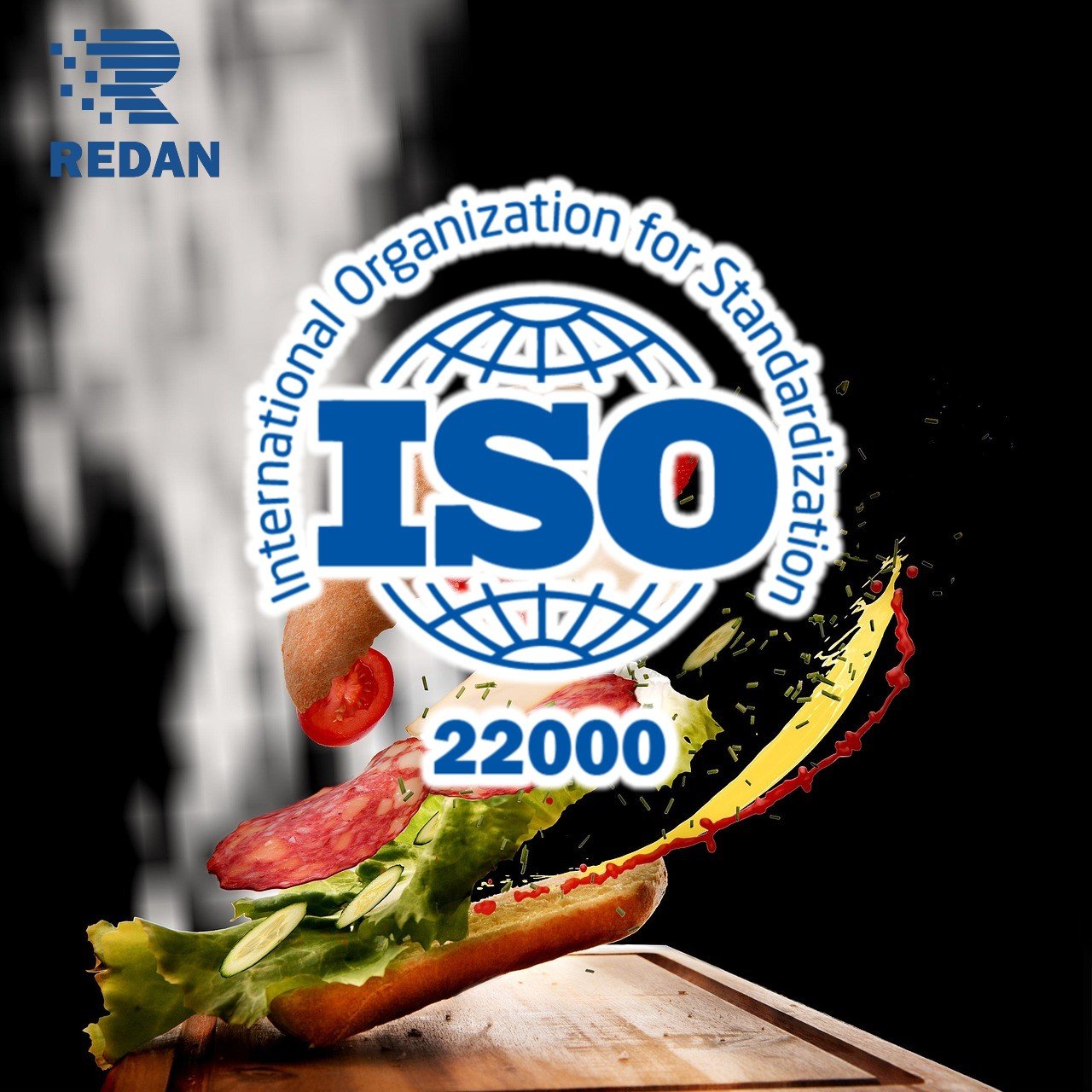
In an increasingly globalized world, food safety has become a critical concern for both consumers and food production companies. ISO 22000, the international standard for Food Safety Management Systems (FSMS), provides a structured framework to ensure that food products are safe at every stage of production, from raw material sourcing to final consumption. For Iraqi food production companies, implementing ISO 22000 is not just a regulatory formality—it is a strategic move to enhance competitiveness, build consumer trust, and comply with international trade requirements.
What is ISO 22000?
ISO 22000 is a globally recognized standard developed by the International Organization for Standardization (ISO) that specifies requirements for a food safety management system. It integrates the principles of Hazard Analysis and Critical Control Points (HACCP) and emphasizes communication, system management, and continual improvement. The standard is applicable to all organizations in the food chain, regardless of size or type, including producers, processors, transporters, and retailers.
Key Benefits for Iraqi Food Production Companies
-
Enhanced Food Safety and Consumer Confidence
By implementing ISO 22000, companies can identify and control food safety hazards effectively. This reduces the risk of foodborne illnesses and ensures that products are safe for consumption. For Iraqi consumers, this translates into higher confidence in locally produced food. -
Compliance with National and International Regulations
Many countries require food safety certifications for imported products. By adopting ISO 22000, Iraqi companies can align with international standards and prepare for export opportunities, opening doors to regional and global markets. -
Operational Efficiency and Waste Reduction
ISO 22000 encourages systematic monitoring of production processes, identifying critical points where issues may arise. This proactive approach reduces waste, minimizes recalls, and optimizes resource use, ultimately lowering operational costs. -
Competitive Advantage and Market Differentiation
Food safety is a significant factor in consumer choice. Companies certified with ISO 22000 can use this as a marketing advantage, demonstrating their commitment to quality and safety, and differentiating themselves in a competitive market. -
Continuous Improvement and Risk Management
ISO 22000 emphasizes continuous monitoring and improvement. Companies are encouraged to assess risks regularly, implement corrective actions, and maintain robust documentation, ensuring long-term sustainability and resilience in the food industry.
Implementation Considerations
For Iraqi food companies, implementing ISO 22000 requires commitment from top management, employee training, and a thorough understanding of food safety hazards. Partnering with experienced consultants or certification bodies can streamline the process, helping organizations achieve certification efficiently and effectively.
Conclusion
ISO 22000 is more than a standard—it is a roadmap for building a culture of food safety, quality, and trust. For Iraqi food production companies, adopting this standard ensures that they not only meet regulatory requirements but also gain a competitive edge in both local and international markets. In a country where food security and safety are increasingly important, ISO 22000 offers a vital tool to protect consumers and grow the food industry sustainably.